









Let’s be honest. Most skincare brands want you to believe their $90 serum was discovered in a glacier, blessed by a dermatologist, and hand-delivered by someone with very good bone structure. Philosophy is not that brand.
Philosophy is the brand that named its moisturiser hope in a jar because it actually believes beauty is tied to how you feel, not just how you look. It’s the brand that’s been quietly changing bathroom cabinets since 1996 while the rest of the industry was busy reinventing itself every six months. And it’s the brand that donates to mental health causes, because it understands that no amount of good skincare fixes a bad day but it can definitely help.
Welcome to Philosophy. It’s smarter than it looks. And it looks pretty good.
The Origin Story (It Involves a Dermatologist and a Dream)
Back in 1996, Cristina Carlino had a problem. She’d been working in medical skincare the kind used by plastic surgeons and dermatologists and she kept seeing the same thing: treatments that worked, but left people red, irritated, and wondering if looking good was really worth the suffering.
Her answer? It absolutely shouldn’t be.
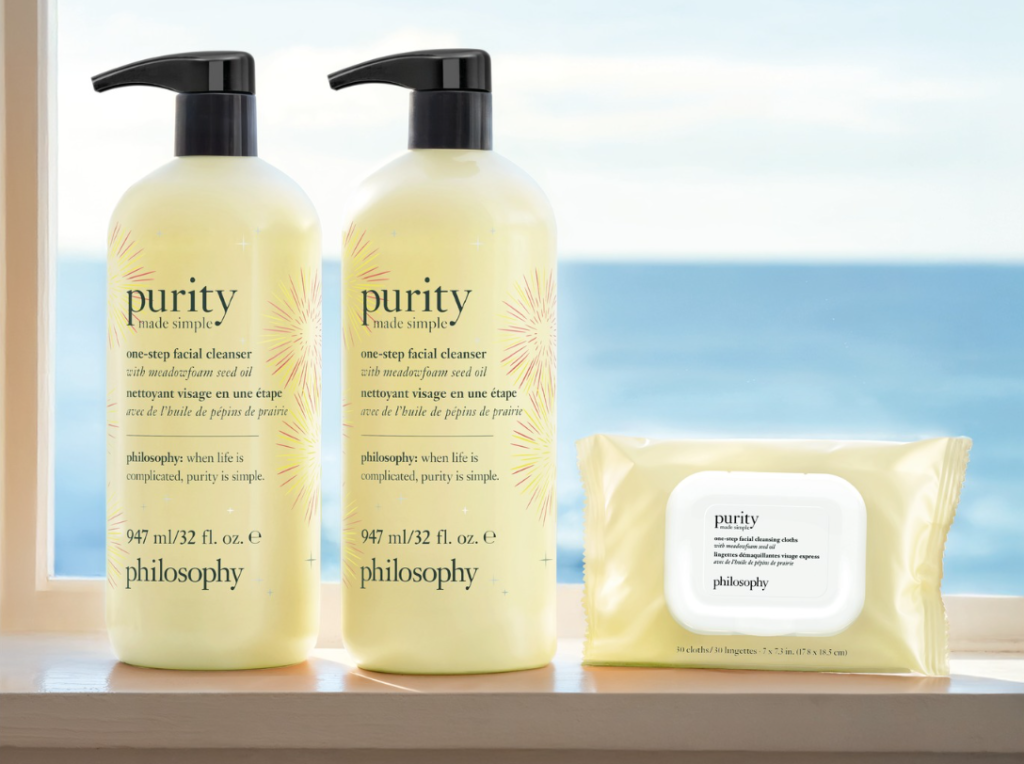
So she launched Philosophy with a revolutionary idea: skincare that delivers real results without turning your face into a science experiment gone wrong. The brand launched at the Rainbow Room in New York City on March 21, 1996, with a single product purity made simple, a facial cleanser so good it’s still in the lineup today, nearly 30 years later.
Then came amazing grace, a fragrance so clean and wearable it basically became a personality type. Then a gentle at-home peel which, in 1997, was genuinely groundbreaking. The idea that you could get near-professional results without booking a clinic appointment and hiding indoors for three days? Revolutionary. Philosophy was ahead of the curve before the curve even existed.
The Products: Cult Classics for a Reason
Let’s talk about the icons.
hope in a jar is not just a moisturiser. It is a moisturiser with a whole vibe. Originally developed with two world-renowned skin physiologists using a water-loving, lightly exfoliating formula, it has been a fixture in the beauty routines of devoted fans for decades. It’s been reformulated, refined, and upgraded most recently stripped of questionable ingredients to meet the brand’s clean standards but the thing that made it special in the first place? Still very much intact.
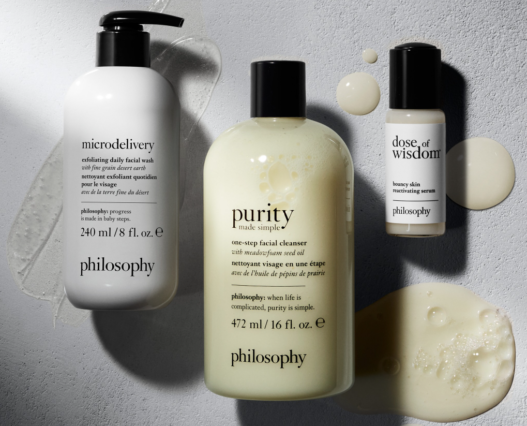
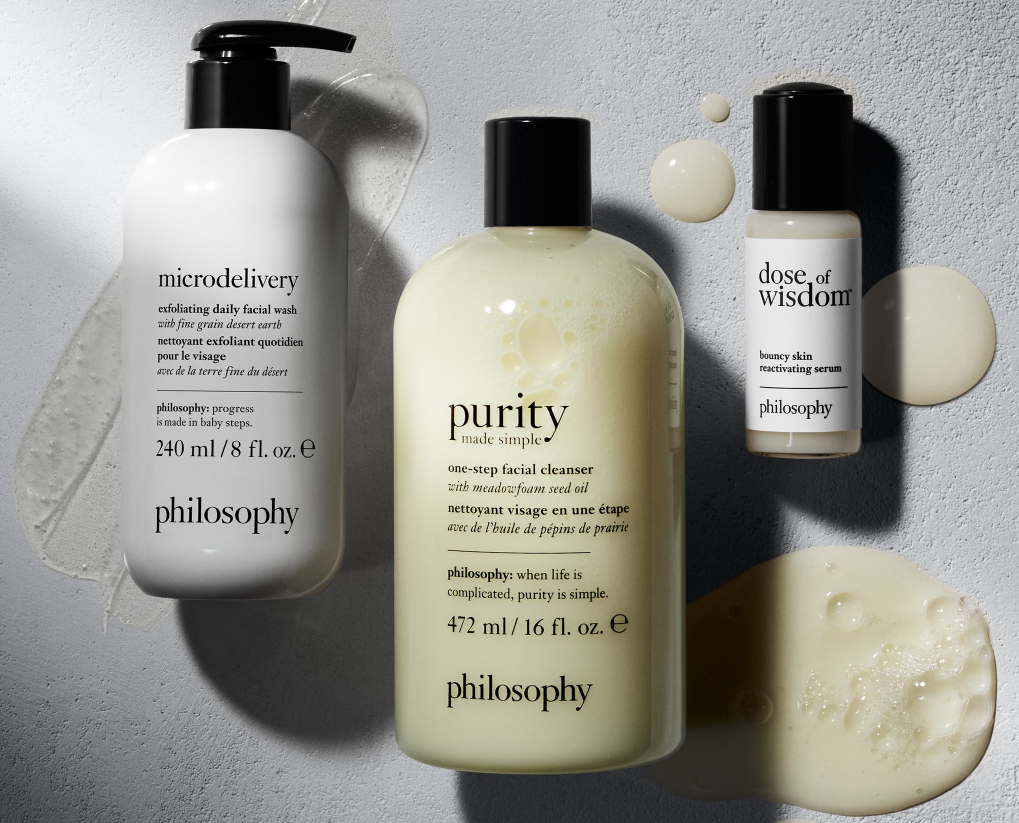
purity made simple is the cleanser that refuses to retire. Simple, effective, universally loved. If it ain’t broke, don’t fix it and this cleanser has not been broken for 28 years.
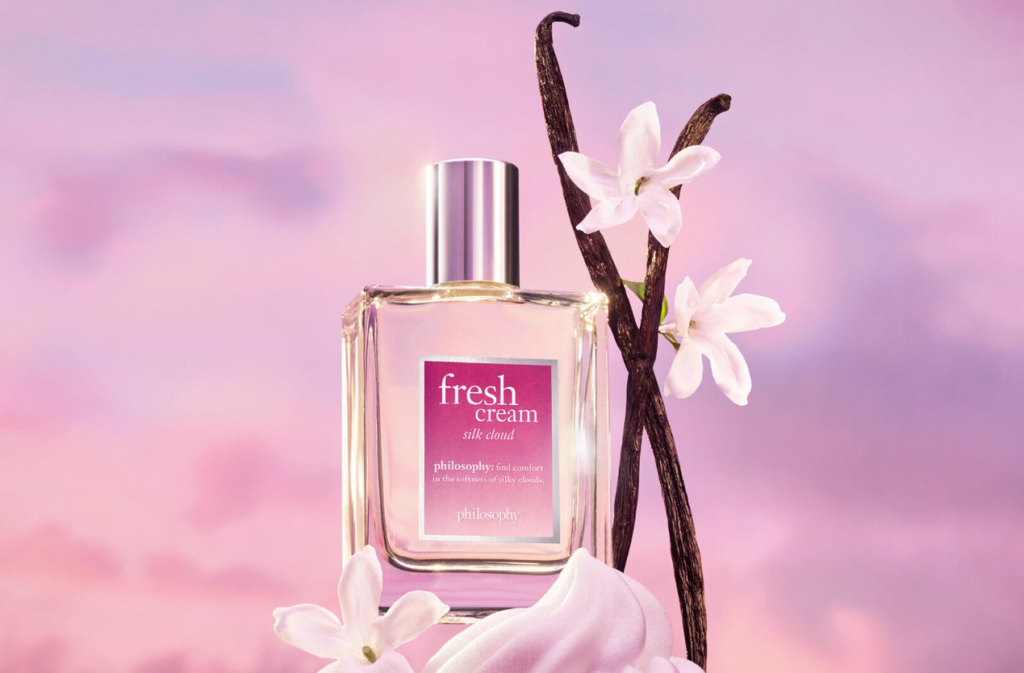
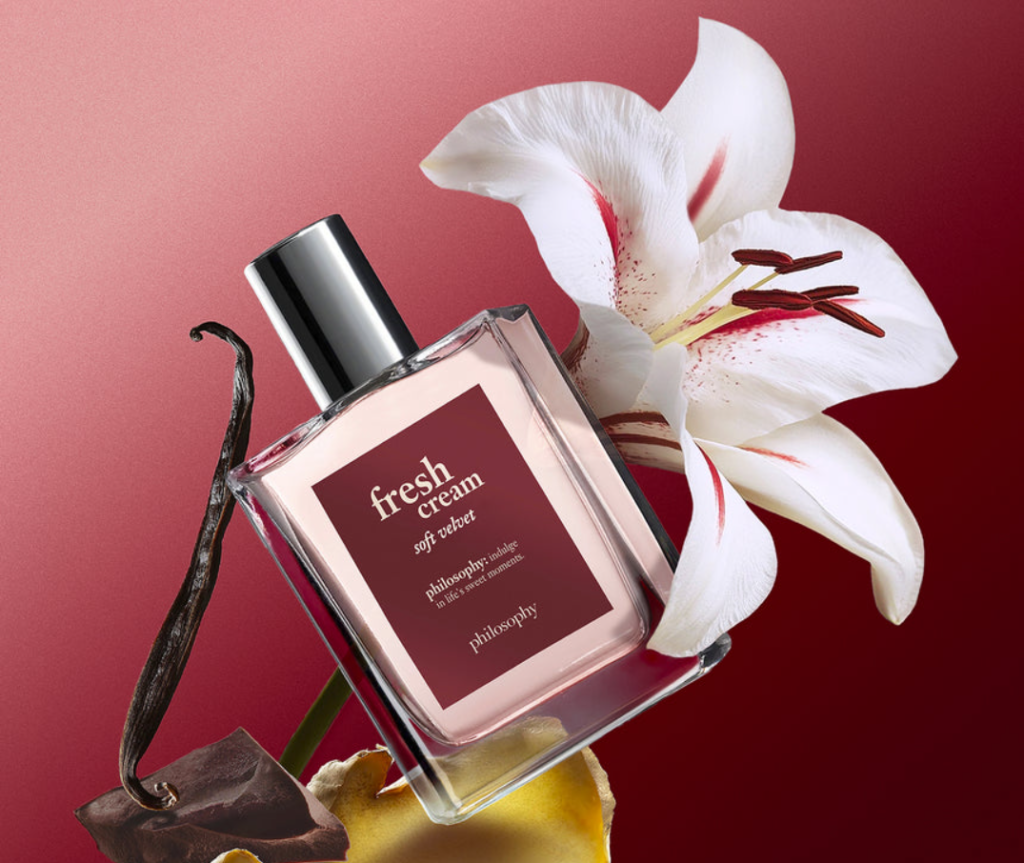
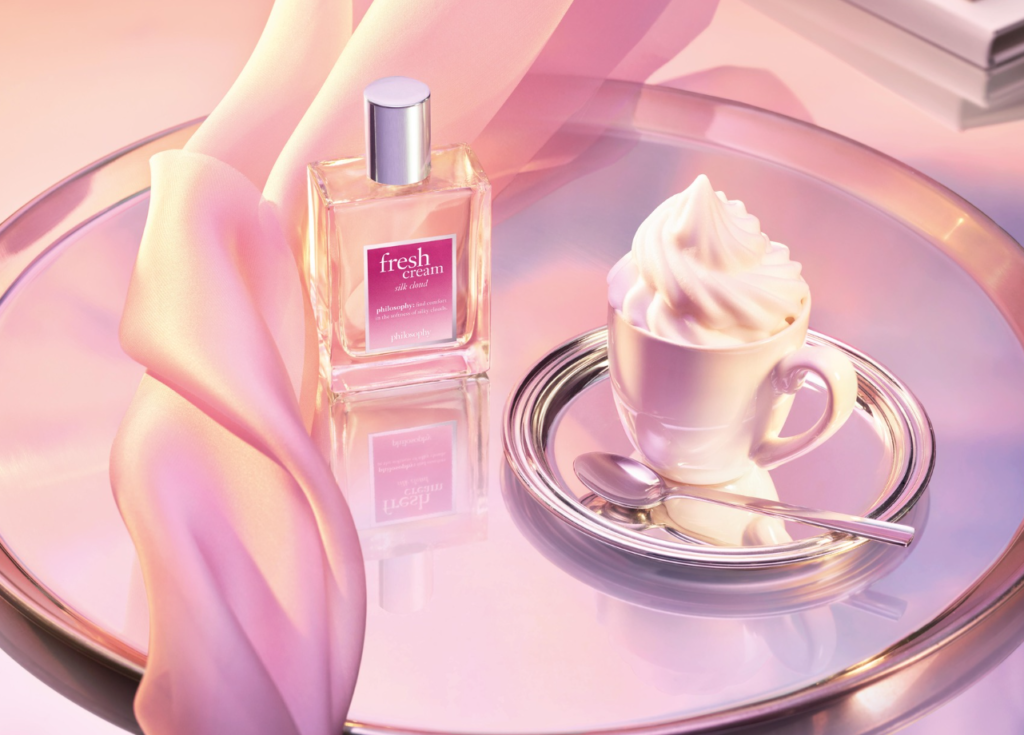
amazing grace is what you wear when you want to smell like you just stepped out of a very expensive, very clean cloud. Floral, soft, utterly wearable. It’s been joined by pure grace, fresh cream, warm cashmere, and a growing fragrance family that all share the same DNA: approachable, mood-lifting, and genuinely lovely.
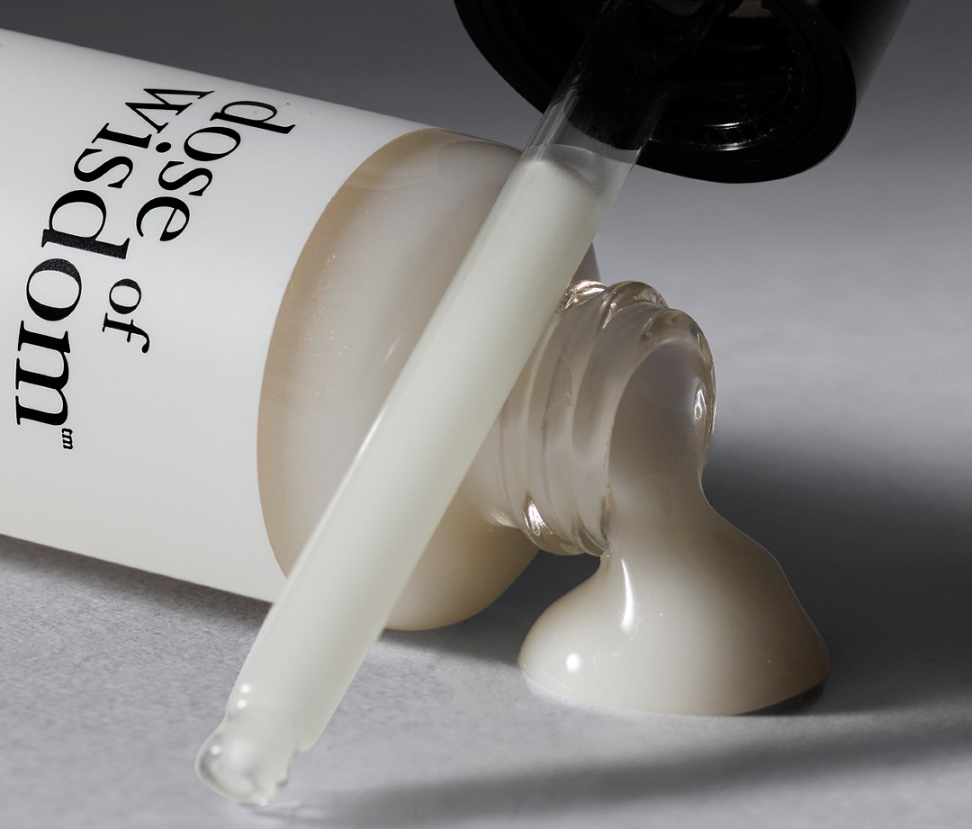
And then there’s the newer generation. The dose of wisdom bouncy skin reactivating serum yes, “bouncy” is doing real work in that name brings oxygen-infused vitamin C and hyaluronic acid into a formula designed for the modern skin moment. It was featured in People’s 2023 Beauty Awards. The people have spoken.
The Science Bit (Stick With Us, It’s Actually Cool)
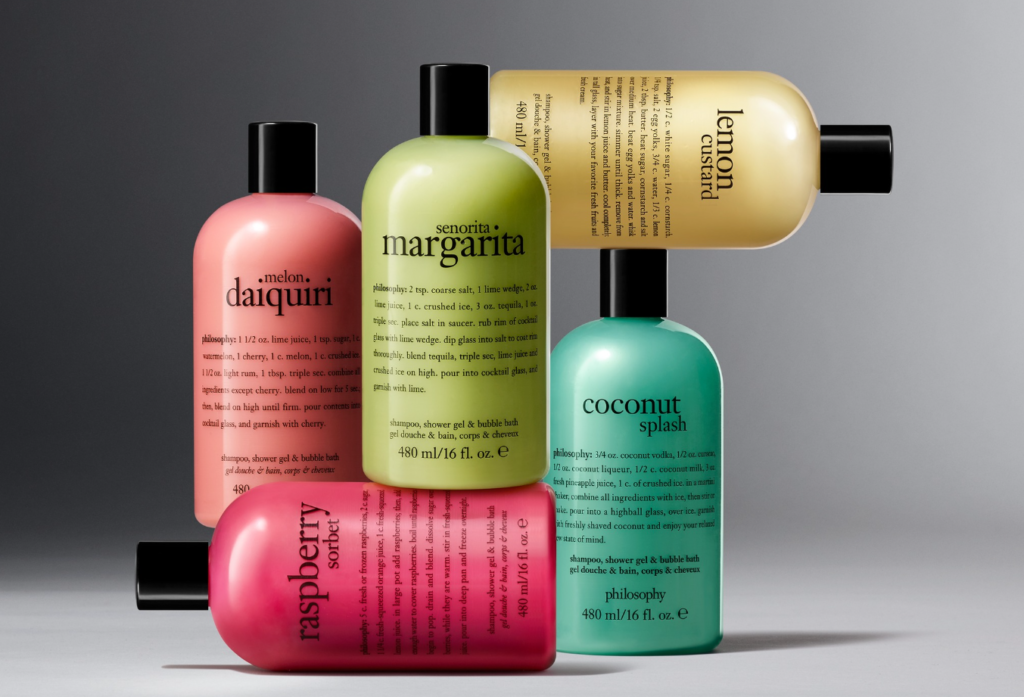
In 2023, philosophy came back with a bang and a new formulation principle: dermatologic wisdom™. It sounds fancy because it is. The idea is built on decades of skincare research and uses techniques like encapsulation, microdosing, and molecule grafting to deliver active ingredients exactly where they need to go without the irritation that usually comes with genuinely effective skincare.
Translation: it works, and your skin won’t throw a tantrum about it.
Every philosophy product is tested on real people in real laboratories. Not robots. Not simulations. Actual humans with actual skin, which is the kind of rigorous testing that matters when you’re putting something on your face every day. The formulas are designed to work for sensitive skin because philosophy has always believed that “effective” and “gentle” should not be mutually exclusive concepts.
They’re also Leaping Bunny certified the gold standard of cruelty-free accreditation, requiring full supply chain auditing, not just a pinky promise. Good news for the bunnies. Good news for your conscience.
The Part Where a Beauty Brand Talks About Mental Health (And Means It)
Here’s where Philosophy gets genuinely interesting.
In 2014, the brand launched the hope & grace initiative a long-term commitment to funding mental health support, particularly for women. For every product sold in the US, 1% of sales goes to the hope & grace fund, which awards grants to organisations working on mental health prevention, treatment, and awareness.
So far, over $6.7 million has been distributed through 116 grants to 78 organisations. That’s not a campaign. That’s not a limited-edition pink ribbon collab. That’s a structural, permanent commitment to the idea that beauty brands have a responsibility beyond complexion.
Oprah Winfrey has been a fan since the very early days she’s been known to gift hope in a jar to people she wants to support. When Oprah’s on board, something is usually working.
The Planet Deserves Nice Things Too
Philosophy’s sustainability credentials are real and measurable, which is refreshing in a world of vague eco-pledges. Their manufacturing runs on 100% renewable electricity. They’ve hit zero industrial waste to landfill. They recycle 60% of industrial waste. All paper and cardboard packaging is FSC certified. New product packaging is made with recycled materials.
They’re not perfect no brand is but they’re doing the work rather than just talking about it. And for a brand whose whole identity is about integrity, that consistency matters.
Nearly 30 Years In and Still Got It
philosophy turns 30 in 2026. In beauty years, that’s basically immortal. Most brands from the mid-’90s are either gone, unrecognisable, or quietly coasting on nostalgia. philosophy is none of those things. It’s sharper, cleaner, more purposeful, and more relevant than ever.
The products that started it all are still here. The values that shaped it are still intact. And the core idea that skincare should feel good, work well, and mean something is as refreshing now as it was when Cristina Carlino first walked into the Rainbow Room nearly three decades ago.
Good things, it turns out, are worth holding onto.