











You can repaint a room, move the furniture around and buy new cushions, yet still feel as though something is missing. Quite often, the problem is simpler than it seems: the lighting is doing the room no favours.
Good lighting changes how colours look, how spacious a room feels and even which corners you naturally want to spend time in. It does not necessarily require rewiring the house or replacing every fitting either. A few thoughtful changes can make a surprisingly big difference.
With everything from ceiling and pendant lights to wall, table, floor and smart lighting available through Lights, there are plenty of ways to rethink a room without starting the entire decorating process again.
1. Stop Asking One Ceiling Light to Do Everything
One bright ceiling light might technically illuminate the whole room, but that does not mean it makes the room look good.
Living rooms and bedrooms usually feel much more inviting when light comes from several heights. Keep the main ceiling light, then introduce a floor lamp beside the sofa or a table lamp near a darker corner. Wall lights can also add depth without taking up valuable floor space.
This layered approach is particularly useful in larger rooms where one central fitting tends to leave the edges feeling gloomy. Lights has a particularly broad selection across these different types of indoor lighting, making it easier to build a combination rather than relying on a single fixture.
2. Give the Dining Table Its Own Light
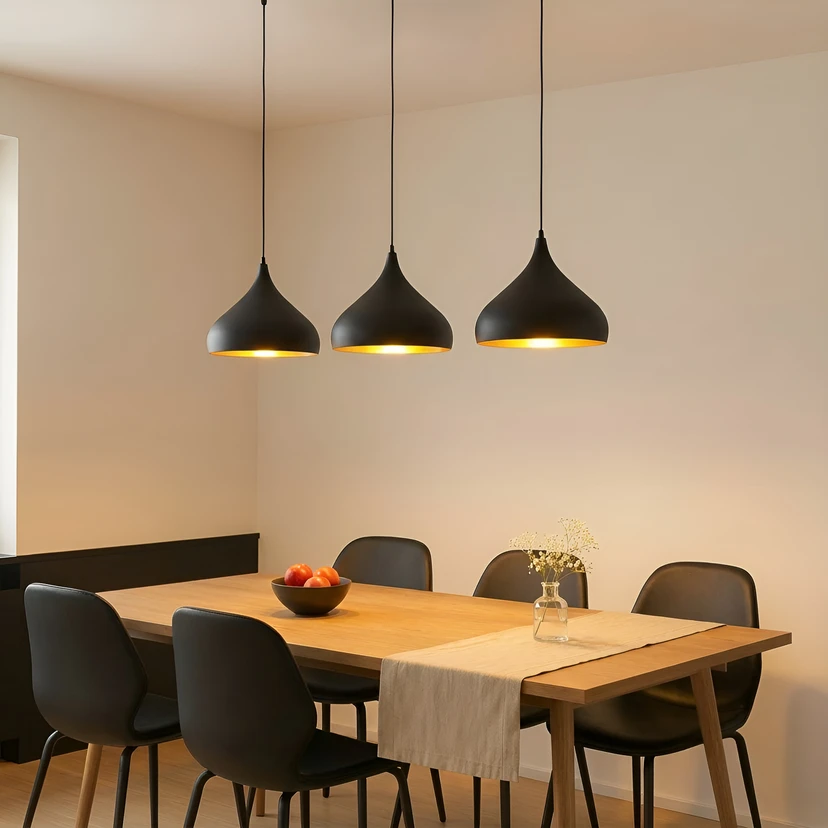
A dining table deserves more than whatever light happens to reach it from the middle of the ceiling.
A pendant light positioned above the table immediately gives the dining area a sense of purpose. This is especially effective in open-plan homes, where lighting can visually separate dining space from the kitchen or living area without adding walls or furniture.
Scale matters here. A tiny pendant over a large six-seater table can look lost, while an oversized fitting above a small table may dominate the room. Consider the proportions of both the table and the surrounding space before choosing.
3. Warm Up the Corners You Actually Use
Think about where you sit when reading, having coffee or relaxing in the evening. Those are the places that deserve their own pools of softer light.
A floor lamp beside an armchair can turn an ignored corner into a reading spot. A small table lamp on a sideboard can soften a room that otherwise feels stark after sunset.
Browsing Lights is useful here because floor lamps alone come in different materials, sizes, light colours and styles, including options with integrated LEDs and dimming features.
4. Pay Attention to Light Colour
A beautiful lamp with the wrong bulb can still make a room feel uncomfortable.
Warm white lighting tends to suit bedrooms and relaxing living spaces because it creates a softer atmosphere. Kitchens, workspaces and practical areas may benefit from clearer, brighter illumination where visibility matters more.
You do not need exactly the same colour temperature everywhere. Lighting should suit what actually happens in each room.
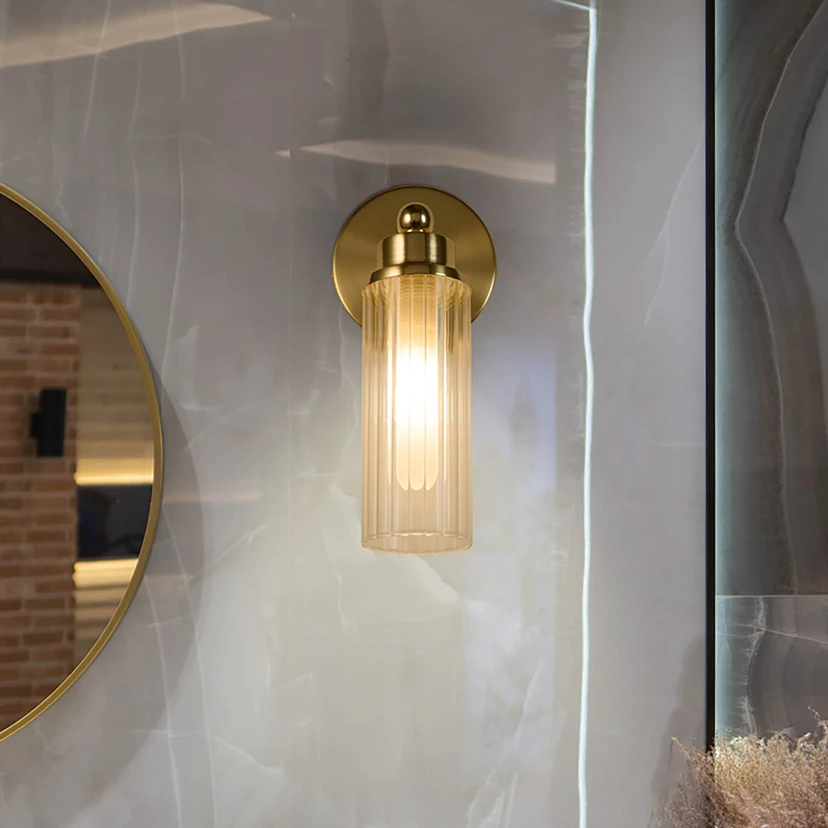
5. Use Wall Lights to Make the Room Feel Deeper
Wall lighting is often overlooked because people immediately think about ceiling lights and lamps. Yet it can completely change a flat-looking room.
Try wall lights beside a bed, along a hallway or near artwork. They introduce another layer of illumination and can highlight parts of the room that disappear when the only light comes from above.
They are also useful when floor space is limited, particularly in smaller bedrooms and narrow hallways.
6. Put Dimmers Where Your Routine Changes
The amount of light you want at 8am is probably not what you want at 9pm.
Dimmable lighting lets the same room work differently throughout the day. A living room can be bright enough for cleaning or working, then softer when you settle down to watch a film. The same idea works beautifully in dining rooms and bedrooms.
There is a substantial choice of dimmable indoor and LED lighting at Lights, so this is no longer limited to one particular style of fixture.
7. Make Lighting Work Around Your Life
Lighting can now be practical as well as decorative.
Smart lighting can give you control over brightness, schedules and lighting scenes, while motion sensor lights are handy in hallways, entrances and other areas where reaching for a switch is inconvenient.
That does not mean every bulb in the house needs an app. Start with the places where automation would genuinely make life easier.
The real trick is to stop thinking of lighting as the final item on a decorating checklist. It is part of the room itself. Before replacing a sofa or repainting a wall because a space feels dull, experiment with where the light comes from, how warm it is and what it draws your attention towards.
A few carefully chosen changes from Lights could be all it takes to make a familiar room feel completely different.